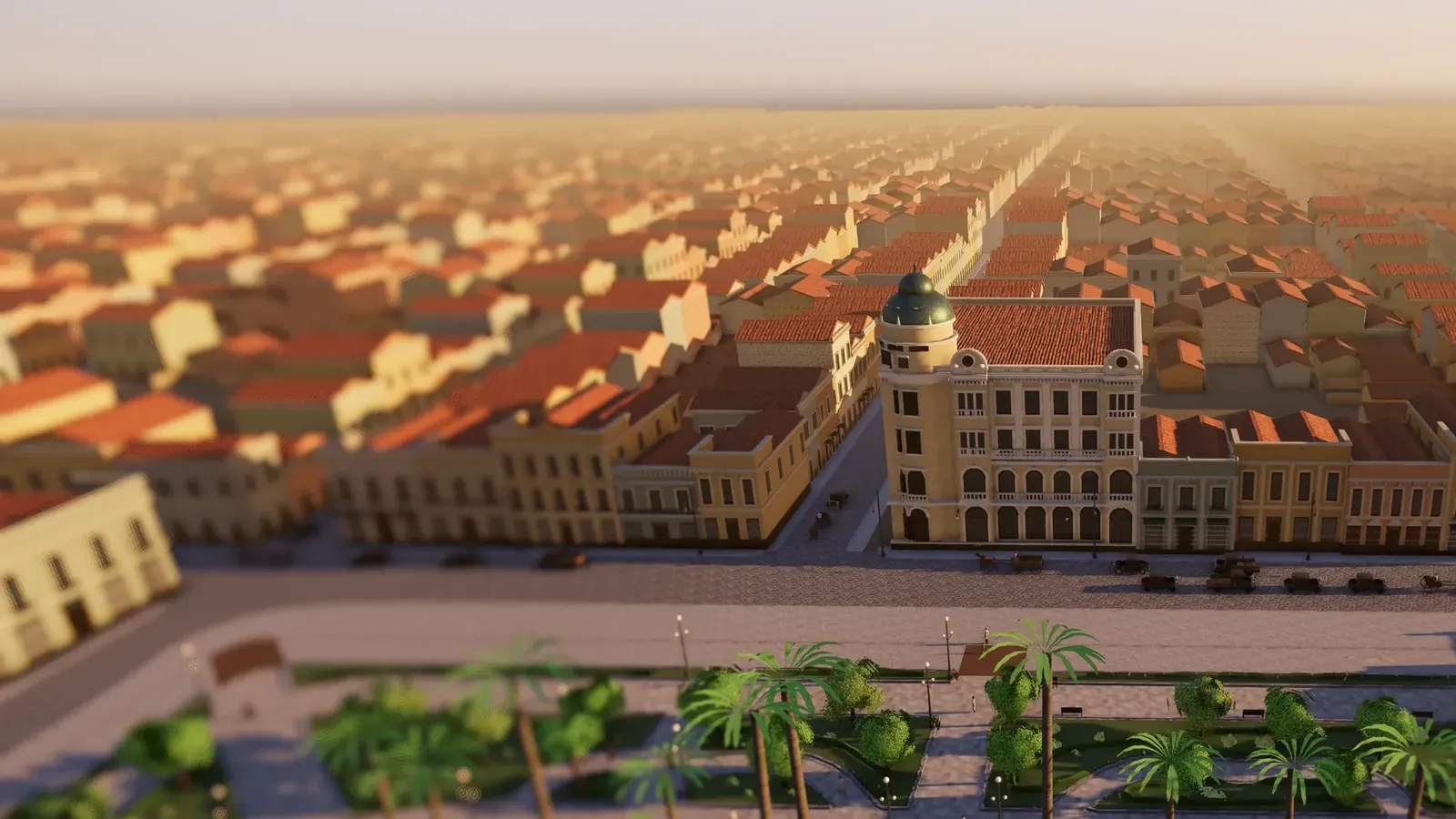
A film made in Pelotas, in southern Brazil, can be watched on the other side of the world the day it is released. You can learn a technique from someone who has never set foot in Brazil, work with a team remotely and submit a film to a festival without leaving home. For people creating outside the major hubs, those possibilities make an enormous difference.
Even so, I think it is too soon to say that location no longer matters.
When people talk about working online, much of the conversation revolves around being able to produce and deliver work from anywhere. That makes sense. But a creative career involves more than delivering a finished piece. It also means getting to know someone else's work more closely, spending time on a production and sharing an idea while it is still taking shape. Those things do not always begin with an invitation or a scheduled meeting.
Take the difference between watching a film online and attending a screening where you can talk to the people who made it. The film may be exactly the same, but a question from the audience can open up an unexpected discussion. The people who came to watch have influences, experiences and projects of their own. There is a chance for an exchange that comes from being together and having time to talk.
That can happen online too. Entire communities and partnerships have been built remotely. I do not think a conversation has to happen in person to be worthwhile. The question is how much effort each person has to make to find those spaces and take part in them regularly.
Someone who lives close to an active events scene can attend a talk or screening and be home that night. For someone else, taking part in the same event means travel, accommodation and a few days away from work. That difference remains, however accessible creative tools have become.
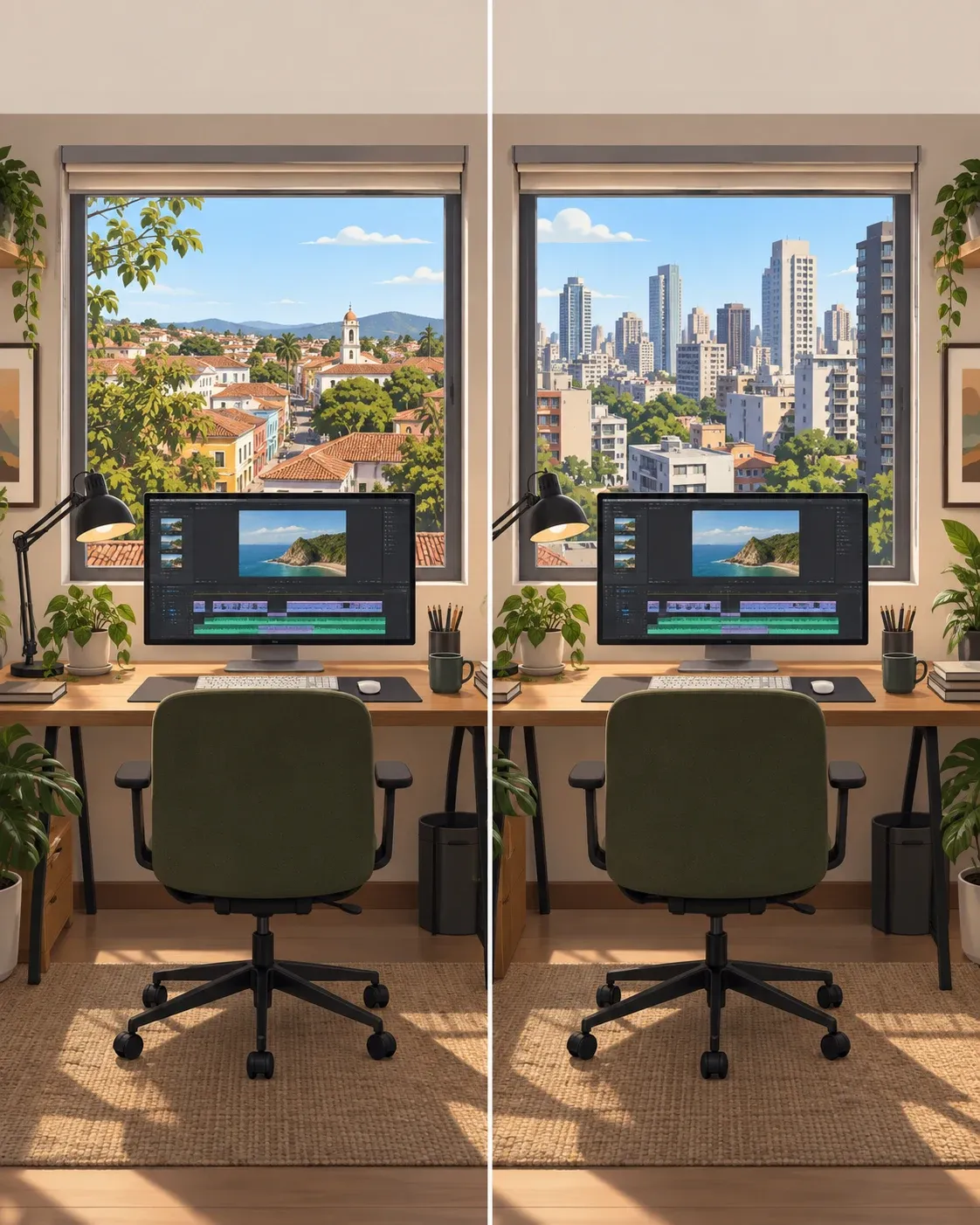
I work in Pelotas, and I see plenty of possibilities in creating from here. Some of what I do is directly connected to the city, and the internet allows that work to reach people who might never visit it. At the same time, I want to spend time in other creative environments and discover what those exchanges might bring to my work.
I see no reason to treat those wishes as incompatible. Liking where you live does not make you any less curious about what happens elsewhere. And wanting to be part of a wider creative scene should not mean having to leave the place you come from behind.
Perhaps the more useful question is how to make that participation possible more often. Streaming a talk already allows more people to follow along. But how do we include those who are far away in the conversations, collaborations and projects that grow around it? That part of the distance still deserves attention.